
How to Breed Armadillos in Minecraft – Easy Step-by-Step

How to Breed Armadillos in Minecraft – Easy Step-by-Step
Minecraft has come a long way since its early days, and each new update brings fresh opportunities to learn, experiment, and add creative twists to your survival or creative worlds. The armadillo is one of the more recent additions, captivating players with its quirky behavior and useful attributes. When Minecraft introduced the armadillo, it wasn’t just a new mob—it was a new resource that added both utility and fun to the game. Whether you’re an experienced player or a newcomer eager to learn the latest tricks, this guide will walk you through everything you need to know about breeding armadillos.
Overview of Armadillos in Minecraft
Armadillos are passive mobs that spawn in warm biomes, such as savannas and badlands. They are characterized by their small, rounded bodies and unique defensive behaviors. When threatened, an armadillo can curl up into a ball, making it more resilient against damage. This rolling defense not only protects the creature but also contributes to its charm. If you are apps lover you should to explore our Apps category as well .
Why Players Want to Breed Armadillos in Minecraft
Breeding armadillos can serve multiple purposes:
- Resource Generation: Armadillos periodically drop scutes—a resource used to craft wolf armor. This unique drop makes them valuable for players who want to outfit their tamed wolves.
- Aesthetic Appeal: Their cute and quirky behavior adds a fun dynamic to any base or zoo.
- Gameplay Variety: Breeding a mob that doesn’t follow the traditional methods seen in other animals (like cows or pigs) offers a fresh challenge and enriches your overall gameplay experience.
- Multiplayer Benefits: In multiplayer servers, having a population of armadillos can be a fun, communal project that showcases your creativity.
What This Guide Will Cover
This guide will dive deep into every step involved in breeding armadillos in Minecraft—from locating them in the wild, preparing a safe environment, understanding their dietary needs, to troubleshooting common issues. It’s designed to be thorough enough to answer any questions you might have and give you expert-level tips based on personal experience and community feedback.
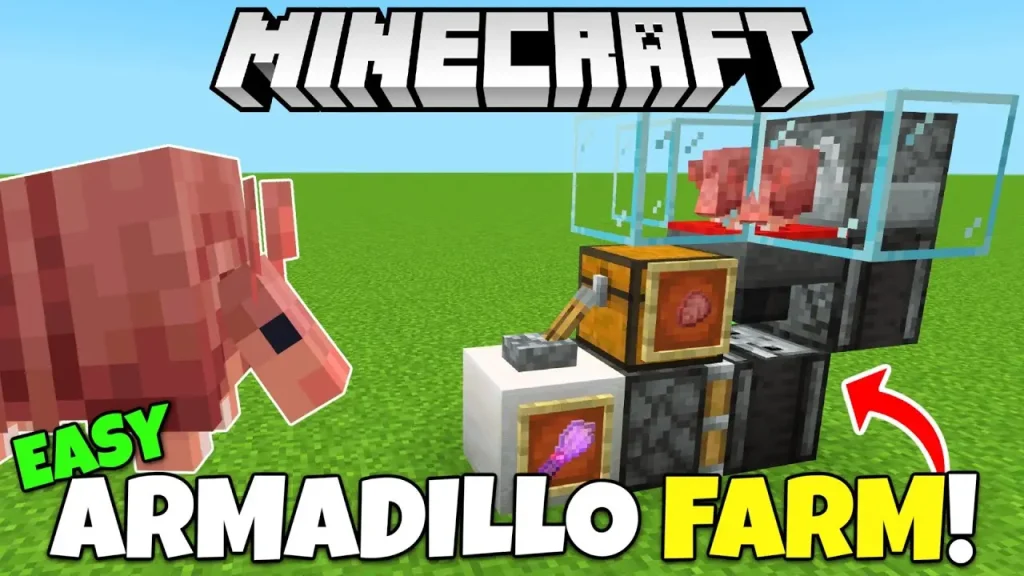
2. Understanding Breed Armadillos in Minecraft
Before you even consider breeding armadillos, it’s important to understand what these creatures are and how they behave in the game.
When Were Breed Armadillos Introduced to Minecraft?
Armadillos were introduced in a recent update, following a highly engaging community vote. Their arrival marked one of the more innovative additions, as the mob not only added new visual elements to the game but also introduced novel mechanics that were previously unseen. This update was celebrated by many due to its unique blend of whimsy and practicality.
Where to Find Armadillos in the Game
Armadillos can typically be found in warm biomes. The two best places to look are:
- Savanna Biomes: These areas feature acacia trees, dry grasses, and a generally sun-soaked environment that is ideal for armadillo spawning.
- Badlands Biomes: With their distinctive red and orange terracotta formations, badlands provide a rugged yet fitting habitat for armadillos.
They often appear in small groups, usually two or three at a time, which makes them ideal for breeding projects.
Armadillo Behavior and Characteristics
Armadillos in Minecraft exhibit several distinctive behaviors:
- Defensive Rolling: When approached too quickly or when nearby hostile mobs are detected, armadillos will roll up into a ball. This behavior not only reduces the damage they take but also adds an element of unpredictability.
- Passive Nature: Unlike many other mobs, armadillos are completely passive. They do not attack players or other mobs unless provoked.
- Unique Drops: Their most notable attribute is their ability to drop scutes. These scutes can be obtained through brushing or simply waiting as the armadillos shed them naturally over time.
- Size and Appearance: In their adult form, armadillos have a small, compact appearance, making them an unobtrusive but charming addition to any biome.
Understanding these characteristics is key to ensuring that you can successfully breed and care for them in your Minecraft world.
3. Requirements for Breeding Armadillos
Before starting the breeding process, there are a few prerequisites that you’ll need to gather and set up.
What Items Do You Need?
The primary item required for breeding armadillos is the spider eye. This might sound unusual at first—after all, spider eyes are traditionally associated with negative effects—but in the case of armadillos, they serve as the key to initiating the breeding process.
In addition to spider eyes, it is a good idea to have:
- Leads: For safely transporting armadillos from one location to another.
- Brush: Although not necessary for the breeding process, a brush is crucial for gathering armadillo scutes from adult armadillos. The brush helps you collect resources without harming the mob.
- Food Storage: Since spider eyes are also used in other aspects of gameplay (such as potion making), it’s important to have a dedicated storage area or chest where you can keep a supply of spider eyes for breeding purposes.
Preparing the Right Environment
Armadillos thrive in warm, dry biomes, so setting up an environment that mimics their natural habitat can make breeding easier and more effective. Here are some tips for preparing an ideal armadillo pen:
- Choose a Biome: Build your pen in a savanna or badlands biome to naturally attract armadillos. These biomes not only enhance the aesthetic of your setup but also ensure that the creatures feel at home.
- Use Suitable Blocks: Consider using blocks that resemble the natural terrain of savannas, such as sandstone, terracotta, or acacia wood. This not only reinforces the natural feel but can also protect armadillos from unwanted interactions with other mobs.
- Space and Security: Ensure your pen has ample space for the armadillos to move around. Since these creatures can be skittish, having an open, well-lit area can help reduce stress and encourage natural behavior.
- Access Points: Create easy-to-access doors or gates so that you can transport armadillos in and out of the pen using leads.
Understanding the Armadillo’s Diet
The armadillo’s diet in Minecraft is one of the most unique aspects of their care. Unlike other mobs that rely on common foods (like wheat for cows or carrots for pigs), armadillos are fed with spider eyes. This has several implications:
- Breeding and Growth: Feeding spider eyes to two nearby armadillos will trigger their breeding mode, resulting in the birth of a baby armadillo.
- Growth Acceleration: For baby armadillos, a single spider eye can accelerate growth by approximately 10%. This means that by consistently feeding them, you can significantly reduce the time it takes for them to reach adulthood.
- Resource Management: Spider eyes can be obtained by killing spiders or cave spiders. Because they are relatively abundant (especially if you farm spiders in a dark, safe location), gathering a steady supply should not be a major challenge.
Understanding this dietary requirement is critical because it directly ties into your breeding strategy and resource planning.
4. Finding Armadillos in Minecraft
Locating armadillos in the wild is the first practical step in starting your breeding program. Here’s how you can effectively find these creatures in your world.
Best Biomes to Locate Armadillos
As mentioned earlier, armadillos are most commonly found in:
- Savanna Biomes: The hallmark of savanna biomes is their dry, open terrain dotted with acacia trees. The warm climate and gentle weather make it an ideal spawning ground for armadillos.
- Badlands Biomes: With their unique red and orange hues, badlands biomes offer a rugged, yet vibrant environment. These biomes not only attract armadillos but also add an interesting visual element to your world.
When you explore these biomes, look for small groups of armadillos wandering around. They are not as numerous as some other passive mobs, but their tendency to spawn in pairs means that if you find one, you are likely to find another nearby.
Signs That an Armadillo Is Nearby
Keep an eye out for certain environmental and behavioral cues:
- Movement Patterns: Armadillos move slowly and have a distinct, almost cautious gait. If you see a small creature moving in a low, deliberate manner, it could very well be an armadillo.
- Rolling Behavior: If you notice a creature suddenly curling up into a ball as you approach or when hostile mobs are nearby, that is a strong indicator that an armadillo is present.
- Group Spawns: Since armadillos tend to spawn in pairs or small groups, a lone creature is rare. If you spot one, take a moment to scan the area for its companions.
Tips for Capturing Armadillos Safely
Once you’ve located a pair or a small group, you’ll want to capture them for your breeding project. Here are some effective strategies:
- Approach Slowly: Armadillos are skittish and will roll up if they sense sudden movement. Walk slowly and crouch if possible to avoid startling them.
- Use Leads: Leads are essential tools for transporting armadillos without risking their escape. Once you have a lead, attach it to the armadillo and gently guide it into your prepared pen.
- Build a Temporary Enclosure: If you’re having trouble containing them, consider building a temporary enclosure using fences or walls. This can help trap the armadillos until you can secure them with leads.
- Patience Is Key: If an armadillo rolls up due to your approach, give it a few moments to unroll before trying again. Rushing the process can result in lost opportunities and increased stress for the mob.
By following these tips, you can ensure that your first interaction with an armadillo is a successful one, setting the stage for a thriving breeding program.
5. Taming Armadillos Before Breeding
Unlike some other mobs in Minecraft, armadillos cannot be “tamed” in the traditional sense. However, you can still interact with them in ways that make them easier to manage and breed.
Can You Tame Armadillos in Minecraft?
In Minecraft, “taming” usually refers to converting a wild mob into a companion (like wolves or cats). Armadillos, however, are designed to remain wild. They do not become pets that follow you around in the same way as other tamed animals. Instead, you work with them by capturing and containing them. The focus for armadillos is on breeding and resource collection rather than taming for companionship.
How to Interact with Armadillos
Interacting with armadillos is relatively straightforward:
- Feeding: The primary interaction is feeding spider eyes to initiate breeding. When you hold a spider eye and right-click (or tap the appropriate control), the armadillo will recognize the food and enter “love mode” if another armadillo is nearby.
- Leading: Use a lead to move the armadillos from one location to another. This is particularly useful if you need to transport them to a secure breeding pen.
- Brushing: Although not part of the breeding process, using a brush on an adult armadillo will yield a scute. This drop is critical for crafting wolf armor and can be gathered repeatedly, provided you have enough durability on your brush.
Keeping Armadillos from Running Away
Armadillos are naturally cautious. To keep them in one place until you’re ready to breed them, try the following:
- Build a Secure Pen: As described earlier, create an enclosure with a secure roof or high walls to prevent escape.
- Use Leads Strategically: Once you have caught an armadillo, attach a lead and gently guide it into the pen. Keep a spare lead on hand in case one gets detached.
- Control the Environment: Avoid areas with a high concentration of hostile mobs or too much player activity, as these can scare armadillos and cause them to bolt.
By managing their behavior and environment, you ensure that armadillos remain accessible for feeding and breeding.
6. Feeding Armadillos: What Do They Eat?
Feeding is not only the means by which you trigger the breeding process, but it also plays a role in accelerating the growth of baby armadillos. This section explains exactly what armadillos eat in Minecraft and how to obtain the necessary food items.
Preferred Food for Armadillos
Armadillos have a unique dietary requirement: they thrive on spider eyes. Unlike cows that love wheat or pigs that favor carrots, armadillos respond exclusively to spider eyes. This is a deliberate design choice that reflects both the quirky nature of these creatures and the desire to create a distinct gameplay loop.
Where to Find Food Items
Spider eyes can be obtained in several ways:
- Hunting Spiders: The most direct method is to hunt spiders. Both regular spiders and cave spiders drop spider eyes upon defeat. Consider setting up a safe spider farm if you plan to breed armadillos on a large scale.
- Exploring Caves: Caves and abandoned mineshafts often contain cave spiders, which can be a reliable source of spider eyes.
- Loot Chests: In some structures, such as dungeons or temples, spider eyes might be found in chests. Although this method is less predictable, it can provide an additional source if you’re running low on spider eyes.
- Trade or Crafting: While the primary method is hunting, keep an eye on any new crafting recipes or trades introduced in updates, as Mojang sometimes tweaks these mechanics.
How to Feed Armadillos in the Game
Feeding an armadillo is as simple as holding a spider eye and interacting with the mob:
- Select the Spider Eye: Equip the spider eye in your hotbar.
- Approach the Armadillo Slowly: As armadillos are sensitive to rapid movements, approach them with caution.
- Activate Feeding Mode: Right-click (or tap the appropriate button) to offer the spider eye to the armadillo.
- Watch for Hearts: When the armadillo accepts the food, you will see hearts appear above its head, indicating that it is in love mode and ready to breed with another armadillo.
Feeding Baby Armadillos
Once you have a baby armadillo, you can accelerate its growth by feeding it additional spider eyes. Each spider eye fed to a baby armadillo speeds up its growth by about 10%. This method is particularly useful if you want to quickly raise a large number of armadillos to collect more scutes for wolf armor crafting.
7. The Breeding Process Step-by-Step
Now that you understand the basics of armadillo care and feeding, it’s time to focus on the actual breeding process. This section breaks down the steps in detail to ensure that you can successfully create a new generation of armadillos.
Step 1: Getting Two Armadillos Together
Before the breeding process can begin, you need to have at least two adult armadillos in close proximity. Since armadillos naturally spawn in pairs, this part of the process is usually straightforward. However, if you are starting with a single armadillo, you may have to venture out and capture another one.
- Finding a Pair: Explore the savanna or badlands until you find a duo of armadillos. Use your leads to gently guide them into your prepared pen.
- Encouraging Proximity: Sometimes, armadillos might wander apart. Ensure that your pen is designed to keep them close together, using fences or walls that restrict their movement but still give them enough space to move naturally.
Step 2: Initiating the Breeding Process
Once you have two adult armadillos in your enclosure, the next step is to trigger their breeding mode:
- Equip the Spider Eye: Hold a spider eye in your hand.
- Feed Both Armadillos: Approach each armadillo slowly and feed them a spider eye. When both animals are fed, you should see heart particles appear above their heads.
- Waiting for the Reaction: After feeding, the armadillos will enter a brief “love mode,” during which they will move closer together. Once they’re near each other, the game will automatically create a baby armadillo between them.
Step 3: Confirming Successful Breeding
After the baby armadillo appears, you will notice a few changes:
- Visual Cues: The baby will be noticeably smaller than its adult counterparts. It may also have different textures or color variations to distinguish it as a juvenile.
- Behavioral Cues: Baby armadillos tend to follow adult armadillos around, similar to other baby mobs in Minecraft. This behavior is essential for ensuring they remain safe while growing up.
- Experience Points: Although armadillos do not drop experience upon death, successfully breeding them typically grants you a small amount of experience as a reward.
Step 4: Post-Breeding Care
After a successful breeding event, your focus shifts to ensuring that the baby armadillo grows safely into adulthood:
- Feeding for Growth: Continue feeding the baby spider eyes if you want to accelerate its growth. Each feeding speeds up the growth process by approximately 10%.
- Keeping the Environment Safe: Make sure that your pen is free of hostile mobs and that the area is well-lit to prevent any unwanted encounters. A safe environment is critical for the baby’s development.
- Monitoring Behavior: Watch for any signs of distress or abnormal behavior. While armadillos are naturally passive, ensuring they have a calm and predictable environment can prevent any accidental escapes or mishaps.
Following these detailed steps should help ensure that your breeding efforts are successful, and soon you’ll have a thriving armadillo population to work with.
8. Raising Baby Armadillos
Once your armadillos have bred, the next challenge is raising the baby armadillos until they reach adulthood. This part of the process requires patience and attention to detail.
How Long Does It Take for Baby Armadillos to Grow?
Baby armadillos take time to mature into their adult form—typically around 20 minutes of in-game time. However, you can speed up this process by:
- Feeding Spider Eyes: As mentioned, each spider eye fed to a baby armadillo accelerates its growth by 10%. With consistent feeding, you can significantly reduce the time needed for maturation.
- Maintaining a Stress-Free Environment: A calm, well-lit area free of hostile mobs or sudden disturbances can help ensure that the growth process is smooth and uninterrupted.
Feeding Baby Armadillos
Feeding is crucial not only for triggering the breeding process but also for ensuring that the baby grows at a healthy rate:
- Regular Feeding: Make it a habit to check on your baby armadillos periodically and feed them additional spider eyes as needed.
- Avoid Overfeeding: Although spider eyes accelerate growth, overfeeding isn’t necessary. Balance is key—feed just enough to keep the growth pace optimal without wasting valuable resources.
- Observation: As the baby armadillos grow, observe any changes in behavior or appearance. Noting these changes can help you determine when they are ready to be treated as full adults for brushing and further breeding.
Protecting Young Armadillos from Mobs
Young animals in Minecraft are particularly vulnerable to attacks from hostile mobs. Here are some measures you can take to ensure their safety:
- Build a Secure Enclosure: Ensure that your breeding pen has high walls and a secure roof if necessary. This will help prevent hostile mobs from entering the area.
- Place Lighting Strategically: Hostile mobs often spawn in dark areas. Adding sufficient lighting—such as torches or lanterns—around your pen can significantly reduce the risk of unwanted encounters.
- Monitor and Escort: In multiplayer worlds, consider having a friend or two help guard the area while the baby armadillos are growing. This can be especially helpful in survival mode where hostile mobs are more aggressive.
- Use Defensive Tools: If you encounter hostile mobs near your pen, use defensive items such as swords or bows to fend them off without harming the armadillos.
By following these care tips, you can ensure that your baby armadillos grow into healthy, productive adults ready to join your ongoing breeding program.
9. Armadillo Habitat and Enclosures
Creating a proper habitat for your armadillos is a key component of your breeding strategy. A well-designed enclosure not only keeps the armadillos safe but also promotes natural behavior that is essential for breeding.
Best Blocks to Use for Enclosures
When constructing an enclosure for armadillos, consider materials that blend with their natural habitat:
- Sandstone and Terracotta: These blocks mimic the look and feel of savanna and badlands biomes, creating an environment that is familiar to the armadillos.
- Acacia Wood: Acacia trees are common in savannas, so using acacia wood for fences or walls can reinforce the natural aesthetic.
- Fences and Walls: Use fence posts or walls to build boundaries that prevent the armadillos from wandering too far. Ensure the enclosure is tall enough so that the armadillos cannot simply jump over.
Keeping Armadillos Safe from Predators
While armadillos are passive mobs, they are still vulnerable to hostile creatures and environmental hazards:
- Prevent Mob Invasions: Secure your enclosure with gates and doors that can be easily opened and closed. This is particularly important at night when hostile mobs are more likely to spawn.
- Use Natural Barriers: In addition to man-made structures, consider using natural barriers such as water channels or ditches to further protect your pen.
- Position Wisely: Build your enclosure in a location that is naturally protected. For example, placing it near a hill or using natural terrain features can help deter predators.
- Regular Inspections: Periodically check the enclosure for any gaps or weaknesses that might allow hostile mobs to enter. Repair any damage immediately to maintain the integrity of the habitat.
Creating a Natural Environment for Armadillos
To promote healthy breeding and natural behavior, your enclosure should feel like an extension of the natural biomes where armadillos thrive:
- Add Vegetation: Include natural elements like grass, small shrubs, or even acacia saplings. This not only enhances the look of your enclosure but also provides a more natural setting for the armadillos.
- Provide Shade and Shelter: Consider building a small shelter or adding blocks that can serve as hideouts for the armadillos during adverse weather conditions.
- Space to Roam: While keeping them contained is important, make sure the enclosure is large enough for the armadillos to move around freely. Too cramped an environment can lead to stress and disrupt natural behaviors, which may in turn affect breeding success.
By designing a habitat that closely mirrors the natural environment of savannas and badlands, you increase the chances of successful breeding and maintain the overall health of your armadillo population.
10. Armadillo Drops and Uses
One of the most exciting aspects of breeding armadillos in Minecraft is the unique drops they provide. These drops not only serve as a reward for your breeding efforts but also open up new gameplay possibilities.
Do Armadillos Drop Items When Defeated?
In Minecraft, armadillos are designed as non-aggressive, passive mobs. They do not drop experience points or any items when killed by a player or tamed wolf. This design choice reinforces the idea that armadillos should be a sustainable resource rather than a target for constant killing. The focus is on breeding and resource collection through non-lethal means.
Can Armadillos Be Farmed for Resources?
Absolutely. The primary resource you’ll be interested in is the armadillo scute. This unique drop has several uses:
- Wolf Armor Crafting: Armadillo scutes are used as the key ingredient in crafting wolf armor. Wolf armor offers significant defensive benefits for your tamed wolves, making it an important resource in survival mode.
- Resource Farming: By breeding armadillos and allowing them to shed scutes naturally over time—or by using a brush to gather scutes more quickly—you can set up a dedicated armadillo farm that continuously supplies this rare resource.
How Armadillos Contribute to Gameplay
Armadillos bring several unique benefits to your Minecraft experience:
- Innovative Breeding Mechanics: The use of spider eyes as a breeding mechanism sets armadillos apart from traditional farm animals, adding a layer of strategy and resource management.
- Enhanced Aesthetics: With their cute appearance and interesting behaviors (such as rolling up defensively), armadillos add charm to your world. They can also serve as a decorative element in custom builds or themed zoos.
- Defensive Utility: Since armadillos are not aggressive and have built-in defensive behaviors, they can help create a peaceful, yet dynamic environment in your base. Their presence can serve as a reminder of the natural balance between growth and defense.
- Community and Multiplayer Projects: On multiplayer servers, breeding armadillos can be a shared project. Players can work together to set up breeding pens, gather resources, and create a thriving armadillo population that benefits the entire community.
By harnessing the unique drops and uses of armadillos, you can add a new dimension to your Minecraft gameplay that emphasizes both creativity and resource management.
11. Common Mistakes When Breeding Armadillos
Even the most experienced players can run into issues when breeding a new mob. Here are some common pitfalls and how to avoid them.
Why Aren’t Armadillos Breeding?
Several factors can cause armadillos not to breed as expected:
- Insufficient Spider Eyes: The most common issue is not having enough spider eyes to feed both armadillos. Always ensure you have a steady supply before attempting to breed.
- Distance Between Mobs: If the armadillos are too far apart, they will not interact even after being fed. Make sure they are in close proximity.
- Environmental Stress: A crowded or unsafe environment can prevent armadillos from entering love mode. Check your pen to ensure it’s secure, spacious, and free of disturbances.
- Cooldown Periods: After breeding, there may be a brief cooldown period during which the armadillos cannot breed again. Be patient and wait for the cooldown to expire before feeding them again.
How to Fix Common Breeding Issues
Here are some troubleshooting steps if your armadillos aren’t breeding:
- Verify Resource Availability: Double-check that you have enough spider eyes available and that you’re feeding both armadillos simultaneously.
- Adjust Their Position: If the armadillos are spread out, use leads to bring them closer together in a compact, secure enclosure.
- Check for Hostile Mobs: Make sure there are no hostile mobs nearby that might be stressing the armadillos out. Remove any threats from the vicinity.
- Allow Cooldown to Expire: If you’ve recently bred your armadillos, give them some time before attempting to breed again. Consult in-game cues to see when they’re ready.
Avoiding Armadillo Escape
It’s important to ensure that your armadillos remain in the designated breeding area:
- Secure Enclosures: Build your pen with high walls and a secure gate to prevent accidental escapes.
- Lead Management: Always attach leads when moving armadillos from one location to another, especially if they are in an open area.
- Environmental Control: Ensure that the enclosure is free from sudden disturbances—if an armadillo gets scared, it may attempt to bolt. Use lighting and natural barriers to create a calm atmosphere.
By avoiding these common mistakes and following the troubleshooting tips, you can keep your breeding program running smoothly and efficiently.
12. Armadillo Behavior and Interaction
Understanding the behavioral patterns of armadillos is essential for successful breeding and ongoing care. In this section, we explore how armadillos interact with players and other mobs, and what to expect from their natural behaviors.
Do Armadillos Attack Players?
Armadillos are strictly passive and do not attack players. Their primary defense mechanism is to roll up into a ball when they sense danger. This behavior is triggered by sudden movements, nearby hostile mobs, or if a player is sprinting too close. Because of this, it’s best to approach them slowly to avoid startling them.
Can Armadillos Be Used as Pets?
While you cannot “tame” armadillos in the traditional sense, you can still manage them and use them as part of your farm or decorative setup. Their passive nature means they can be kept in pens and interact naturally with their surroundings, but they do not follow you around like a tamed wolf or cat. Instead, they are best thought of as a resource mob—valuable for their drops rather than as personal companions.
Fun Facts About Armadillos in Minecraft
- Rolling Defense: One of the most endearing features of the armadillo is its ability to curl up into a ball when threatened. This rolling defense not only minimizes damage but also adds to the charm of the mob.
- Natural Shedding: Armadillos periodically drop scutes naturally, meaning that even without player interaction (such as brushing), you can still gather valuable resources.
- Unique Breeding Mechanics: Using spider eyes as the key item for breeding sets armadillos apart from other farm animals, highlighting their distinct place in the Minecraft ecosystem.
- Cultural Impact: Since their introduction, armadillos have become a popular subject among Minecraft YouTubers and streamers. Their unique behavior and useful drops have sparked numerous creative projects and tutorials.
By understanding these behaviors, you’ll be better equipped to interact with armadillos in a way that supports your overall goals—be it breeding, resource gathering, or simply enjoying the new addition to your world.
13. Multiplayer Breeding: Working with Friends
Breeding armadillos can be an excellent collaborative project on multiplayer servers. Here, the focus is on working together to build a thriving armadillo farm that benefits everyone.
How to Breed Armadillos in Multiplayer
When playing on a multiplayer server, there are several key considerations:
- Designate a Breeding Area: Work with your friends to build a dedicated breeding pen that is spacious enough to accommodate multiple armadillos.
- Share Resources: Since spider eyes are essential for breeding, coordinate with your teammates to farm spiders or gather spider eyes efficiently. Sharing resources can streamline the breeding process.
- Assign Roles: Divide tasks among your group—for example, one person may be responsible for capturing and transporting armadillos, while another focuses on gathering food items or constructing the pen.
- Communicate and Coordinate: Effective communication is crucial. Use in-game chat or external voice communication to coordinate your efforts, ensuring that all armadillos are fed and monitored consistently.
Sharing Armadillo Resources with Friends
A collaborative armadillo farm can be a boon for all players on the server:
- Resource Distribution: Once you have a steady supply of armadillo scutes, decide how to share these resources. Some players may prefer to focus on crafting wolf armor, while others might use the scutes in custom builds or trading.
- Community Projects: Consider turning the armadillo farm into a community project. For instance, you might build a dedicated “Armadillo Sanctuary” that doubles as a public resource hub where players can access scutes and learn about the mob.
- Trading Opportunities: In many multiplayer servers, players set up trading systems. Armadillo scutes could become a valuable commodity, leading to interesting bartering or even a server-wide economy centered around the new resource.
Best Ways to Transport Armadillos in Multiplayer
Transporting armadillos safely is essential, especially when you need to bring them from one area to another:
- Using Leads: As in single-player mode, leads are your best friend. Ensure every armadillo is secured with a lead before attempting to move them.
- Boat Transport: While some players have reported issues with getting armadillos into boats, creative methods such as coaxing them into a boat with slow movement or using a temporary enclosure on the water’s edge can help.
- Collaborative Assistance: On a multiplayer server, one player can focus solely on transport while another prepares the destination. This division of labor makes the process smoother and reduces the risk of escape.
By fostering collaboration, you can maximize the benefits of breeding armadillos in a multiplayer environment and turn it into a fun, community-driven activity.
14. Armadillos in Mods vs. Vanilla Minecraft
The armadillo is available in both vanilla Minecraft and in various mods that expand upon its functionality. It’s important to understand the differences between these versions to make the best use of the mob in your gameplay.
Are There Armadillo Mods Available?
Yes, several mods introduce armadillos with additional features or tweaks. Some mods may enhance the armadillo’s behavior, add new crafting recipes for scutes, or even introduce alternative breeding mechanics. These mods are often developed by the community and can be found on popular mod hosting sites.
Differences Between Modded and Vanilla Armadillos
- Vanilla Armadillos: In the unmodified game, armadillos are designed to be a self-contained, balanced addition. They have specific mechanics for breeding, feeding, and scute dropping. Their behavior is standardized across all vanilla worlds.
- Modded Armadillos: Mods may offer expanded interactions, such as additional food items, unique behaviors, or integration with other modded systems (like enhanced animal husbandry or custom breeding mechanics). Some mods might even allow armadillos to be tamed or have alternative defense mechanisms.
- Gameplay Impact: While vanilla armadillos maintain the balance of the game, modded armadillos can add complexity and additional strategies. For instance, a mod might allow players to harvest multiple resources from a single armadillo or create specialized breeding lines that yield higher scute drops.
Enhancing Gameplay with Armadillo-Related Mods
If you’re looking to get even more out of your armadillo breeding efforts, consider exploring mods that expand on their functionality:
- Mod Packs: Many popular mod packs include enhanced animal breeding systems. These packs might allow for more efficient resource farming or introduce new challenges that make breeding more engaging.
- Customization Options: Some mods give you the ability to tweak armadillo behavior through configuration files, letting you adjust growth rates, drop frequencies, or even visual appearance.
- Community Resources: Check out forums and community websites dedicated to Minecraft mods. These platforms often have tutorials and guides on how to best integrate armadillo mods into your world.
By exploring the differences between vanilla and modded armadillos, you can tailor your gameplay experience to suit your preferences—whether you’re looking for simplicity or a more in-depth simulation of animal husbandry.
15. Armadillos in Different Minecraft Versions
Minecraft exists in several different editions, each with its own nuances. Understanding how armadillos are implemented in various versions is essential for a consistent breeding experience.
Bedrock vs. Java: Any Differences?
There are some subtle differences between the Bedrock and Java editions of Minecraft when it comes to mob behavior:
- Spawning Mechanics: While armadillos spawn in similar biomes in both versions, slight differences in the spawning algorithm may affect their population density. Bedrock players might notice armadillos appearing in different patterns compared to Java players.
- Feeding and Breeding Mechanics: The fundamental mechanism—using spider eyes to breed—remains the same across both editions. However, minor differences in animation or particle effects may be present.
- Technical Details: Some data values (such as entity IDs or behavioral flags) may differ between editions. For the average player, these differences are mostly under-the-hood, but they can be important for those creating custom mods or data packs.
Availability of Armadillos in Older Versions
Armadillos were introduced in a recent update, meaning they are not available in older versions of Minecraft. If you’re running a legacy version or a server that hasn’t updated to the latest release, you will not have access to armadillos or their associated mechanics.
Future Updates for Armadillos
Given the popularity of armadillos among players and content creators, future updates may include enhancements or additional features related to these mobs:
- Additional Uses for Scutes: Mojang might expand the crafting options for armadillo scutes, integrating them into new recipes or armor sets.
- Tweaked Breeding Mechanics: Based on community feedback, there could be adjustments to the spider eye feeding system or cooldown periods to make breeding more efficient.
- Improved AI: Future updates may refine armadillo behavior, such as improving their interactions with other mobs or adding new animations for when they roll up in defense.
Staying informed about the latest update notes and community discussions can help you take full advantage of any new features as they are released.
16. Ethical Minecraft Breeding Practices
While Minecraft is a game that encourages creativity and experimentation, it’s important to consider ethical aspects—especially when it comes to breeding mobs. Responsible breeding practices not only enhance your gameplay experience but also maintain the delicate balance of Minecraft’s ecosystem.
Why Responsible Breeding Matters
Responsible breeding is important for several reasons:
- Avoiding Overpopulation: Breeding too many armadillos can lead to an overpopulated enclosure, which might cause lag on multiplayer servers or make resource management more difficult.
- Game Balance: Minecraft is designed with a certain balance in mind. Overbreeding any mob can disrupt this balance, leading to unintended consequences such as resource depletion or performance issues.
- Aesthetic and Practical Considerations: A well-managed breeding program results in a tidy, organized, and visually appealing setup. Overcrowded pens not only look messy but can also lead to increased stress for the mobs (even in a virtual environment).
How to Practice Ethical Breeding in Minecraft
Follow these guidelines to ensure your armadillo breeding program remains responsible and balanced:
- Set Clear Goals: Decide on a target number of armadillos for your pen. This helps prevent runaway breeding and ensures that you have enough resources to care for each mob.
- Monitor Resource Use: Keep track of your spider eye supplies and other essential resources. This helps you understand how much you can safely breed without exhausting your supplies.
- Plan for Expansion: If you intend to increase your armadillo population over time, plan for gradual expansion. Build larger enclosures and improve your resource generation methods before initiating another breeding cycle.
- Maintain Balance with Other Mobs: Avoid focusing solely on one type of mob. A balanced ecosystem in your world contributes to overall performance and can lead to interesting cross-mob interactions in multiplayer servers.
- Community Feedback: Listen to the community and consider suggestions from other players. Sharing tips on forums and social media can help you learn best practices and refine your breeding techniques.
By approaching armadillo breeding with a responsible mindset, you not only enhance your personal experience but also contribute to a healthier in-game ecosystem.
17. Troubleshooting Armadillo Breeding Problems
Even with careful planning, you may encounter issues during your armadillo breeding efforts. This section outlines common problems and provides actionable solutions.
Common Bug-Related Issues
Some players have reported that armadillos sometimes do not respond to spider eyes, or that the baby armadillos take longer than expected to mature. These issues can be caused by:
- Buggy Interactions: Occasionally, the feeding mechanism might not register if you move too quickly or if the armadillo is already in a state of distress.
- Cooldown Misunderstandings: After breeding, there is often a cooldown period. Trying to breed them again too soon will yield no reaction.
- Server Lag: On multiplayer servers, lag or server-side delays may interfere with the timely recognition of your actions.
How to Fix Bug-Related Issues
Here are some steps to help troubleshoot common issues:
- Restart the Game: Sometimes, a quick game restart can resolve minor glitches that affect mob interactions.
- Reposition the Armadillos: If the armadillos aren’t breeding, try moving them to a different part of your pen. Occasionally, repositioning them can “reset” their behavior.
- Verify Item Counts: Make sure you are holding the correct item (spider eye) and that you have enough quantity to feed both armadillos.
- Wait It Out: If you suspect a cooldown issue, give the armadillos a few extra minutes before trying to breed them again.
- Check for Updates: Ensure that your game is running the latest version, as Mojang frequently patches known bugs in subsequent updates.
- Consult Community Forums: If issues persist, visit community forums or subreddits dedicated to Minecraft. Other players may have encountered and solved similar problems, and their advice can be invaluable.
Reporting Issues to Mojang
If you encounter a persistent problem that appears to be a bug:
- Document the Issue: Take screenshots or record a short video demonstrating the problem.
- Visit the Bug Tracker: Mojang maintains a bug tracker where players can report issues. Provide as much detail as possible, including your game version, the steps you took, and any relevant screenshots.
- Follow Up: Keep an eye on the bug report for updates from Mojang. Sometimes, fixes are included in subsequent patches.
Troubleshooting armadillo breeding problems not only helps you continue your breeding program but also contributes to the overall improvement of the game.
18. Fun Armadillo Builds and Decorations
Once you’ve successfully bred a group of armadillos, why not take your creativity a step further? Here, we explore some fun build ideas and decorations centered around these quirky creatures.
Creating an Armadillo Sanctuary
An armadillo sanctuary is a dedicated space where armadillos can roam freely, and you can showcase your breeding efforts:
- Themed Enclosures: Build your sanctuary using materials that match the natural habitat of armadillos. Use sandstone, terracotta, and acacia wood to create an authentic savanna or badlands environment.
- Interactive Displays: Incorporate elements that allow players to interact with the armadillos. For example, design pathways where players can feed the armadillos or observe them in a calm, natural setting.
- Landscaping: Enhance the sanctuary with trees, shrubs, and even small ponds. This not only makes the area more visually appealing but also provides a natural setting that encourages armadillo activity.
- Informational Signs: If you’re on a multiplayer server, add signs that explain the breeding process and the benefits of armadillo scutes. This can educate new players and inspire community projects.
Using Armadillos in Themed Builds
Armadillos can be incorporated into a variety of themed builds:
- Zoo or Petting Farm: Create a section of your base dedicated to different mobs. Armadillos, with their unique rolling behavior and cute appearance, make a great addition to a zoo or petting farm.
- Adventure Maps: For map makers, armadillos can be used as part of an adventure or survival challenge. Their unique drops (scutes) can be integrated into puzzles or quests, providing players with a fun, interactive element.
- Decorative Elements: Even if you’re not focused on breeding, armadillos can be used purely for aesthetic purposes. Place them in scenic spots, near custom-built sculptures, or as part of a nature-themed build.
Showcasing Your Armadillo Collection
If you have successfully bred a large number of armadillos, consider hosting an in-game event or creating a showcase:
- Screenshots and Videos: Capture moments of your armadillo farm in action. Share these on social media or community forums to inspire other players.
- In-Game Competitions: Organize contests among friends or server members, such as “best-designed armadillo pen” or “most creative use of armadillo scutes in crafting.”
- Community Builds: Collaborate with other players to create a community armadillo park, where multiple breeding programs are displayed and shared.
These creative projects not only add an extra layer of enjoyment to your gameplay but also help build a community of players who share an interest in exploring every facet of Minecraft’s new features.
19. Frequently Asked Questions (FAQ)
Here are some of the most commonly asked questions about armadillo breeding in Minecraft, along with detailed answers based on personal experience and community feedback.
Can Armadillos Be Tamed?
No, armadillos cannot be tamed in the same way that wolves or cats can be. They are meant to be wild and are primarily used for resource collection (namely, scutes for wolf armor) rather than as companion pets. Instead of taming, you control them by building secure enclosures and using leads.
What Do Armadillos Eat in Minecraft?
Armadillos are unique in that their preferred food is spider eyes. Feeding spider eyes to an armadillo initiates the breeding process, while feeding baby armadillos helps accelerate their growth by roughly 10% per feeding.
How Long Does It Take for Baby Armadillos to Grow?
In a standard environment, baby armadillos take about 20 minutes to grow into adults. However, by feeding them spider eyes regularly, you can speed up this process significantly, making it easier to expand your breeding program.
Do Armadillos Drop Useful Items?
Yes, armadillos periodically drop armadillo scutes, which are used to craft wolf armor. This resource is unique to armadillos and serves as the main incentive for breeding and raising them. Note that armadillos do not drop experience points or other loot when killed, reinforcing their role as a sustainable resource.
Can Armadillos Be Ridden Like Other Mobs?
No, armadillos are not designed for riding. Their small size and passive nature mean that they are not intended to be mounts or transport animals. Instead, their value lies in their drops and their contribution to your overall resource management strategy.
Why Aren’t My Armadillos Breeding?
If your armadillos aren’t breeding, consider the following troubleshooting steps:
- Ensure both armadillos are close together in a secure pen.
- Check that you have enough spider eyes and are feeding both animals at the same time.
- Confirm that there are no hostile mobs nearby that might be causing stress.
- Allow for a proper cooldown period if they have recently bred.
Do Armadillos Require Special Care Compared to Other Mobs?
While armadillos are generally low-maintenance, their unique behaviors (such as rolling up when scared) mean that you must be mindful of how you approach them. A calm, controlled environment is key to ensuring they behave predictably and are ready for breeding.
What Should I Do if an Armadillo Escapes?
If an armadillo escapes from your enclosure, don’t panic. Use a lead to track it down and gently guide it back into your pen. Consider reinforcing your enclosure with additional blocks or fences to prevent future escapes.
Are There Any Special Enchantments or Tools That Help With Armadillo Breeding?
While there are no specific enchantments for armadillo breeding, keeping a well-maintained brush is essential for gathering scutes without harming the mob. Additionally, using tools enchanted with efficiency or durability can help reduce the frequency of having to craft new brushes.
20. Conclusion
Breeding armadillos in Minecraft offers a fresh and engaging experience for players who are looking to explore every facet of the game’s new content. From the initial challenge of finding these elusive mobs in warm biomes to managing their unique feeding and breeding requirements, every step of the process requires careful planning and creativity.
Summary of Key Points
- Unique Mechanic: Armadillos use spider eyes for breeding and growth acceleration, which sets them apart from other farm animals in Minecraft.
- Environmental Considerations: Building a natural, secure enclosure in savanna or badlands biomes is crucial for successful breeding.
- Resource Management: With armadillos providing valuable scutes for crafting wolf armor, managing your spider eye supply and breeding rate is essential.
- Community and Multiplayer: The collaborative nature of breeding armadillos can bring friends together, fostering creative projects and community builds.
- Troubleshooting and Ethics: Understanding common pitfalls and adhering to responsible breeding practices helps maintain a balanced and enjoyable gameplay experience.
Encouragement to Start Breeding Armadillos
If you’re looking for a new challenge or simply want to add an extra layer of fun to your Minecraft world, don’t hesitate to start your armadillo breeding program today. Their unique behavior, combined with the valuable drops they provide, makes them a worthwhile addition to any player’s roster of mobs.
Invitation to Share Experiences
I’ve found that one of the most rewarding aspects of Minecraft is the community that forms around shared interests and projects. Whether you’re a seasoned veteran or a newcomer excited about the latest update, I invite you to share your own experiences, tips, and builds related to armadillos. Post your screenshots, videos, or detailed guides on forums, social media, or community sites. The more we share, the more creative and innovative our Minecraft worlds can become.


